

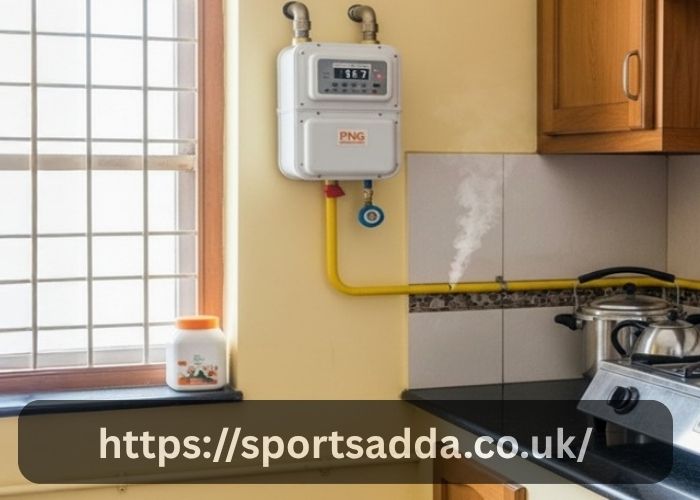
By connecting to a gas pipeline, households can replace their LPG cylinders with an affordable and dependable piped natural gas (PNG) system that will meet all their needs at an affordable price. While the process might appear daunting at first, with proper planning it can actually go much more quickly and smoothly than expected.
Installing a gas line requires precise workmanship for safety reasons. Every cut, thread and connection needs to be executed precisely and exactly.
This is especially important when dealing with How Can I Get A New Gas Pipeline Connection? What Should I Do To Make The Process Easier?, because careful planning and accurate installation directly ensure safety, efficiency, and long-term reliability of the gas system.
| No. | Step / Requirement | What You Should Do | Tip to Make It Easier |
|---|---|---|---|
| 1 | Choose your gas provider | Select your local city gas distributor such as Indraprastha Gas Limited, GAIL India Limited, Adani Total Gas, or Mahanagar Gas Limited | Check availability in your society/area first |
| 2 | Check pipeline availability | Confirm if piped natural gas (PNG) network exists in your building | Ask neighbors or society office |
| 3 | Apply online/offline | Fill application form on provider website or customer center | Online application is faster |
| 4 | Submit KYC documents | ID proof, address proof, passport-size photo | Keep scanned copies ready |
| 5 | Site inspection | Company technician checks feasibility at your home | Ensure someone is available at home |
| 6 | Pay connection charges | Pay security deposit + installation fee | Ask for full cost breakup beforehand |
| 7 | Internal piping setup | Technician installs pipeline inside kitchen | Clear kitchen access in advance |
| 8 | Meter installation | Gas meter is installed outside or inside home | Confirm safety placement location |
| 9 | Safety inspection | Final safety check of leakage and pressure | Don’t use gas until inspection is done |
| 10 | Activation of connection | Gas supply is turned ON and usage begins | Save emergency helpline number |
Applying for a new connection
Gas pipeline connections for house use provide safety, convenience and long-term savings. By eliminating the need to store cylinders and providing access to clean cooking fuel on demand.
They also help alleviate daily stress. Though it might initially appear complex, selecting a service provider who explains every step clearly makes the process far less daunting than anticipated.
As your first step, verify if PNG service is available in your area. Many cities already have PNG networks in place or may be expanding them; an approved service provider can confirm availability as well as help design an efficient gas piping route.
After your application and documents have been approved, your service provider will arrange installation within an acceptable timeline. It is essential to submit accurate information, as well as having all relevant documents ready in order to facilitate the process; incomplete applications are one of the leading causes of delays.
As part of your application, the company will require both an application fee and a refundable deposit/registration fee. Your deposit will be returned once your connection is installed and passes inspection. Applying online reduces paperwork while creating a digital record of your request; applying collectively increases chances for faster approval.
| No. | How to Get a New Gas Pipeline Connection (Process) | What Should I Do To Make the Process Easier (Tips) |
|---|---|---|
| 1 | Select a gas provider in your area | First check which provider is already active in your society |
| 2 | Check pipeline availability in your building | Ask neighbors or society office before applying |
| 3 | Fill application form (online/offline) | Use online application for faster approval |
| 4 | Submit KYC documents (ID, address proof, photo) | Keep scanned copies ready before starting |
| 5 | Wait for site inspection visit | Ensure someone is at home during inspection |
| 6 | Pay connection/security charges | Ask for full cost breakdown in advance |
| 7 | Internal pipeline installation in kitchen | Clear kitchen space for smooth installation |
| 8 | Meter installation by technician | Confirm safe and accessible meter location |
| 9 | Safety check and leakage testing | Do not use appliances until safety approval |
| 10 | Gas supply activation starts | Save customer care and emergency helpline numbers |
Preparing for the inspection
Careful preparation is required when connecting gas pipelines, from mapping their route and securing permits to selecting materials and adhering to local regulations and safety codes. Professional assistance must also be sought to ensure all aspects pass inspections successfully.
Furthermore, having knowledge of the global natural gas pipeline network spanning 3.5 million kilometers emphasizes the need for safe installations that adhere to standards.
Assuming you know where and how you want the line to run, the next step will be establishing its path and trench depth, followed by installing pipe. Most projects use polyethylene (PE) pipe with its variety of sizes and thicknesses available on the market; additionally a riser (an L-shaped fitting that brings underground pipes up to ground level to connect meters or appliances) may be needed as part of this project.
After installing your pipes, the next step should be sealing their ends to avoid leaks and preserve the integrity of your gas system. A gas-rated threaded cap and quality pipe sealant will work best; you may also require special gas-rated filler capable of withstanding high pressure at certain open ends of the pipes to be filled in order to meet these goals.
After digging your trench for your gas line, be sure to secure an insulated copper wire along its entire length in order to provide future utility crews with an easy path should problems arise – this small but crucial detail could save money in the long run.
Before activating any new pipeline, it must pass an intensive safety test, including leak and pressure tests as well as an inspection of its entirety. By performing these checks correctly, your pipeline can remain safe for daily use.
Pipeline gas offers many advantages to homeowners and businesses alike. It eliminates the need to store and transport cylinders while offering continuous supply.
Furthermore, its application and installation process is relatively straightforward when handled by professionals; an efficiently installed pipeline will add safety and comfort to your home, alleviating daily stressors.
Getting a permit
Setting up a natural gas pipeline connection is a complex task that requires extensive preparation. This includes mapping out your route, securing permits and selecting materials carefully; any mistakes could result in costly fines or leakage years later.
Therefore, working with licensed professionals who comply with local regulations will help ensure a safe and reliable installation process for PNG pipeline installation.
Start by gathering all necessary paperwork and applications. Incomplete applications or documents can cause delays in the approval process, so take extra care when reviewing each piece of information before submitting them. Using online applications can save both time and paperwork; additionally reputable suppliers often offer to review applications prior to submission as well as provide extra guidance.
Once you have submitted your application and documents, a refundable deposit will be collected; it will be returned once installation of your new line has been completed.
In addition, you must agree to all terms and conditions of the contract before submitting documents; once submitted, the gas company will contact you to schedule inspection and installation. Should you have any inquiries, feel free to reach out directly for customer service representatives.
Before building the line, each property owner must grant you an easement that grants access to your land for environmental surveys and other activities.
Depending on your particular circumstances, your company may negotiate an agreement or acquire it through eminent domain. Once approved by the Commission, construction can begin immediately.
Keep in mind that pipeline companies will need to dig a trench along every right-of-way for your pipeline, with a minimum depth requirement of 18 inches depending on soil conditions and potential terrain issues. In rocky regions it may be necessary to burrow the pipe deeper.
Additional cover may also be needed at road and waterbody crossings or when crossing through solid rock formations.
Be mindful that until the Commission gives their final approval to abandon it in place, your pipeline could remain in place until then and could prevent you from using your land for any other purposes until that event takes place.
Getting the line installed
When your gas pipeline connection is ready to be installed, it’s essential that the work be performed effectively. This involves more than simply following safety codes – it requires carefully planning its route, obtaining permits for its construction, and selecting materials to be used in its creation. Only licensed professionals should install new gas lines using such an organized approach.
It involves mapping out a line’s path, selecting an ideal site for trench digging and making sure it is deep enough for the pipe. In addition, existing utilities like water lines and sewer pipes must also be considered; and potential obstacles like tree roots or landscape plans that could affect new line are another consideration.
Once the line and trench have been laid out, assembling pipe can begin. This task requires great care: for instance, to ensure isolation between other live lines by capping off all open ends with threaded caps and gas-rated sealant before starting work on it is critical.
Furthermore, handling of different materials such as traditional black iron or modern Corrugated Stainless Steel Tubing (CSST).
Backfill and connect your gas line to appliances – this step ensures your pipeline is safe for inspection.
Installing a gas pipeline into your home can provide a constant source of gas while eliminating the need to store cylinders – an upgrade which can decrease stress and improve quality of life.
Gas pipeline installation may appear complex at first, but with professional guidance it can actually be quite straightforward.
The best way to complete the task efficiently is to hire an experienced team of engineers and plumbers who will guide you from application through inspection, installation and obtaining permits as needed; working with such experts ensures your project adheres to stringent safety standards of your city, especially when addressing How Can I Get A New Gas Pipeline Connection? What Should I Do To Make The Process Easier?
| No. | Step in Gas Pipeline Connection Process | Easy Way / Smart Tip |
|---|---|---|
| 1 | Select a gas provider | Check which company is already working in your area |
| 2 | Verify pipeline availability | Confirm with society or neighbors first |
| 3 | Submit application form | Apply online to save time and avoid queues |
| 4 | Upload KYC documents | Keep Aadhaar, address proof, photo ready in digital form |
| 5 | Schedule inspection | Choose a convenient time slot when you are at home |
| 6 | Site feasibility check | Ensure clear access to kitchen and gas line path |
| 7 | Pay installation charges | Ask for full cost details before paying |
| 8 | Internal pipeline setup | Clear kitchen space before technician arrives |
| 9 | Meter installation & safety check | Do not use gas until final approval is done |
| 10 | Connection activation | Save emergency helpline and customer care number |