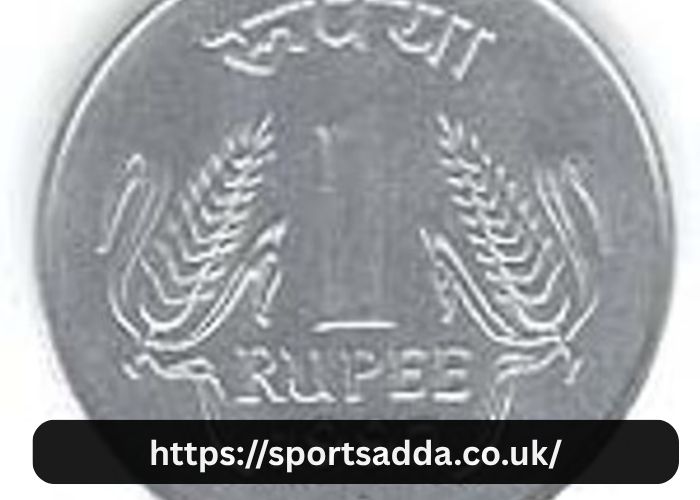
Coins are typically made of copper, nickel, zinc and aluminum and come in various shapes and sizes depending on their denomination. Many coins feature gold or silver plating for increased durability and attractiveness while embossing or printing add security features to each coin. Their metal makeup often depends on which country mints it; India uses silver while in the US copper is more commonly employed as their base metal of choice.
| Year / Source | Cost to Make ₹1 Coin | Face Value | Profit / Loss | Key Details |
|---|---|---|---|---|
| 2018 (RTI Data) | ₹1.11 | ₹1 | -₹0.11 loss | Cost higher than value |
| 2024 Estimate | ₹1.11+ (likely higher due to inflation) | ₹1 | Loss continues | Metal & minting costs increased |
| Govt Mint Info | ~₹1.11 | ₹1 | Negative margin | Produced at Indian Government Mints |
| Material | Stainless Steel | — | — | Durable, long-lasting coin |
| Comparison | ₹2 coin = ₹1.28 cost | ₹2 | Profit | Higher denominations cheaper per value |
Metals
Coins are typically made of copper, nickel, zinc and aluminum and come in various shapes and sizes depending on their denomination.
Many coins feature gold or silver plating for increased durability and attractiveness while embossing or printing add security features to each coin. Their metal makeup often depends on which country mints it; India uses silver while in the US copper is more commonly employed as their base metal of choice.
One rupee coin may seem inconsequential in an age of digital transactions and convenient change-rounding apps, but for many Indians, it symbolizes value, nostalgia, and access. That is why safeguarding its integrity and security must remain of primary concern.
Ek Rupee Coin Ka Manufacturing Cost Kitna Hoga? is a question that highlights not only the financial aspect of coin production but also the importance of maintaining quality and trust in physical currency.
No matter the cost of production, ensuring our currency is of high quality is well worth the effort. The Indian government uses only premium materials when making their coins; until 1939 the rupee coin was made from pure silver; however due to rising costs during the Second World War and increased silver consumption during circulation it was replaced by nickel-plated steel coins in 1940.
Minting
Though one rupee coins may seem inconsequential in this digital era, they hold great sentimental value to many Indians – representing tradition, nostalgia, accessibility. Yet how much do they cost to produce? In 2018, in response to an RTI query by an individual concerned, the Reserve Bank of India revealed that production costs far exceeded face values.
Mints continue producing currency notes and coins at a profit despite high costs because their services are necessary to keeping our economy functioning. It’s vital that these institutions seek the optimal way of balancing efficiency against economic viability.